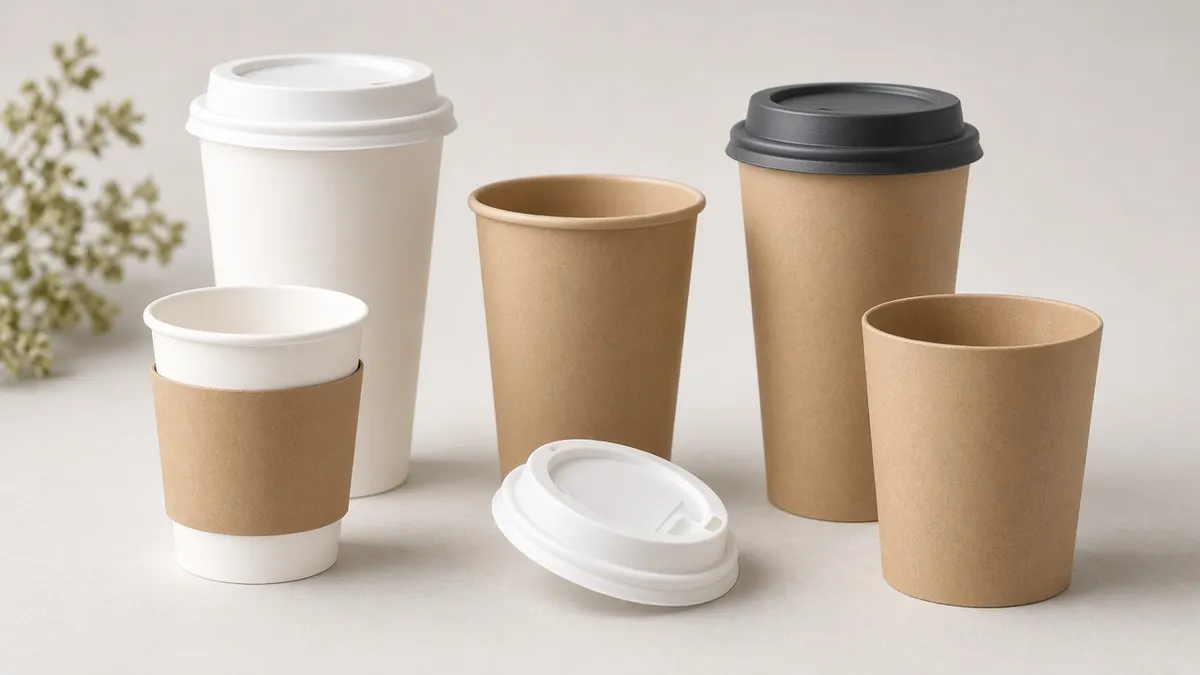
If you sell drinks to go, cup design packing is one of the first brand details customers notice. From the sleeve and lid to the print on the cup itself, packaging shapes how your drink looks in hand, on a counter, and in a customer photo. For UK cafes, coffee shops, juice bars, and takeaway brands, good cup packaging design is both practical and commercial: it needs to protect the drink, stay comfortable to hold, and present your brand clearly. Brand detail on cups and sleeves can use custom labels.
This guide explains what effective cup packaging involves, which design choices matter most, and how to plan custom printed cups or branded sleeves without overcomplicating the process. Whether you are refining a takeaway range or launching a new beverage brand, the aim is simple: packaging that works in real service conditions and still looks intentional. Related reading: bakery packaging for food brands.
What Is Cup Design Packing?
Cup design packing refers to the way a cup is designed, finished, and presented as packaging. It covers more than decoration. It includes the cup structure, materials, print, lids, sleeves, carriers, and any secondary packaging used to protect or brand the drink.
In practical terms, people searching for cup design packing are usually looking for guidance on custom cup packaging design: how to brand cups, which materials suit hot or cold drinks, and how packaging can support a cafe or beverage brand. The phrase is commercially useful, even if natural English often uses terms such as custom cup packaging, branded cup packaging, or printed cup packaging. They also connect to wider food packaging.
Why Cup Packaging Design Matters
A cup is mobile advertising. Customers carry it through streets, offices, stations, and social feeds. Clear branding, readable typography, and a tidy finish can make a drink feel higher quality before the first sip.
Design also affects usability. A sleeve that slips, a lid that leaks, or print that smudges when wet creates a poor experience. Strong cup packaging balances three jobs at once:
- Protect the drink during handling and transport
- Keep the cup comfortable and safe to hold
- Communicate brand identity and product information clearly
For growing brands, consistency matters as much as creativity. Matching cups, sleeves, and carriers creates a recognisable look across locations and online delivery packaging.
Key Elements of Effective Cup Packaging
Structure and Fit
Start with size and drink type. Hot coffee, iced drinks, smoothies, and soft drinks place different demands on wall strength, lid fit, and insulation. A cup that is too thin may feel flimsy; one that is oversized can look sparse and waste material.
Print and Visual Hierarchy
Good cup print is readable at a glance. Place the logo where the hand does not fully cover it, keep secondary text secondary, and avoid overcrowding the surface. High-contrast colour choices help branding stay clear under cafe lighting and outdoor glare.
Grip, Insulation, and Comfort
Hot drinks often need a sleeve or double-wall construction. Cold drinks may need condensation control so print and grip remain usable. Comfort is part of design quality, not an afterthought.
Lids, Sleeves, and Carriers
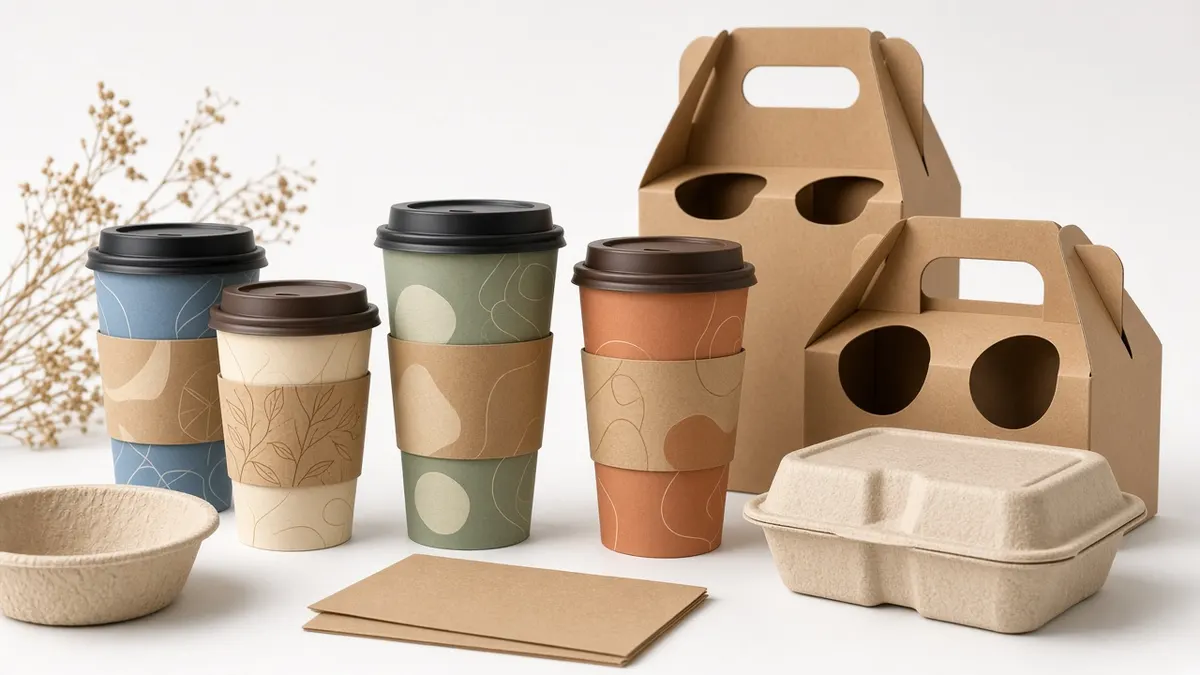
Lids affect spill resistance and drinking experience. Sleeves add branding space and heat protection. Carriers become important for multi-drink orders. Treat these as part of the same packaging system rather than separate accessories.
Materials Commonly Used for Cup Packaging
Material choice depends on drink temperature, brand positioning, and disposal goals. Common options include:
- Paperboard cups for hot and cold takeaway drinks
- Kraft finishes for a natural, cafe-friendly look
- Plastic or PLA lids chosen to match the drink and service style
- Cardboard sleeves and cup carriers for handling and multi-drink orders
- Secondary cartons or bags when cups are sold as retail packs
If your brand also packages dry goods, snacks, or meal add-ons, broader food packaging options may sit alongside cup systems. Beverage brands often combine cups with kraft packaging or paper bags for counters and delivery.
For food-contact materials in Great Britain, businesses should follow the official regulations on materials and articles intended to come into contact with food. Those regulations are published at https://www.gov.uk/government/publications/food-contact-materials-regulations.
How to Create Custom Cup Packaging
A clear process reduces reprints and wasted stock. Use these steps as a practical workflow:
1. Define the drink and service setting
List cup sizes, hot or cold use, daily volume, and whether orders are mostly counter service, delivery, or both. This determines wall type, lid style, and whether sleeves are essential.
2. Set brand priorities
Decide what must appear on every cup: logo, colour palette, tagline, website, or allergen/service notes. Keep the hierarchy simple so the cup remains easy to recognise from a distance.
3. Choose materials and finishes
Match materials to temperature and brand tone. A minimal kraft sleeve can suit a specialty coffee brand, while fuller colour print may suit a juice or dessert drink range. Confirm that finishes remain practical when condensation or heat is present.
4. Prepare print-ready artwork
Use high-resolution logos, correct colour profiles, and safe margins around the artwork. Avoid tiny text that becomes hard to read once wrapped around a curved cup surface.
5. Prototype before bulk ordering
Where possible, review a sample for hand feel, lid fit, colour accuracy, and real-world use. A short trial in service conditions is more useful than judging a design only on screen.
Branding and Printing Options
Custom printed cups and sleeves can use full-colour graphics, limited spot colours, or simple one-colour logo marks. The best choice depends on brand style and how much visual detail you need.
- Logo-led designs for clean specialty branding
- Pattern or colour-block designs for strong shelf and counter presence
- Sleeve-focused branding when cup stock needs to stay flexible across flavours
- Coordinated carriers for multi-drink takeaway orders
Coffee shops and drinks brands can also explore sector-focused packaging ideas on Axis Packaging's coffee industry packaging page and beverage packaging page.
Cup Packaging for Different Businesses
Cafes and Coffee Shops
Hot drinks need reliable insulation and a professional finish. Many cafes favour clear logo placement, restrained colour, and sleeves that protect hands without hiding the brand completely.
Juice Bars and Cold Drink Brands
Cold drinks highlight condensation and visibility. Transparent or lightly printed cups can showcase colour, while sleeves and lids still need a secure grip.
Restaurants and Takeaway Counters
Speed matters. Packaging should stack well, assemble quickly, and stay consistent across busy service periods. Matching cups and carriers help staff and customers handle multi-drink orders more easily.
Retail Beverage Brands
If cups are sold as packaged products rather than filled to order, secondary packaging, labels, and protective cartons become part of the same design system. Related reading on food-grade packaging and storage can help when drinks sit alongside wider food ranges.
Sustainable Cup Packaging Considerations
Many UK customers look for packaging that is easier to recycle or made with more responsible materials. Sustainability claims should stay accurate. Focus on practical choices such as material selection, right-sizing, and clear disposal information rather than vague green language. These formats support restaurant and foodservice packaging.
Useful questions include: Can the cup and lid be separated easily? Is the material accepted in local recycling streams? Does the design encourage reuse of secondary packaging where relevant? For wider recycling context in the UK, Recycle Now provides public guidance at https://www.recyclenow.com/.
Axis Packaging also covers broader environmental packaging themes on the sustainability page and in guides such as eco-friendly paper bags for retail.
Common Cup Packaging Design Mistakes
- Overloading the cup with too much text or too many colours
- Ignoring how a hand covers the logo during normal use
- Choosing thin materials that feel weak with hot drinks
- Mismatched lids that leak or pop off in transit
- Ordering large volumes before testing samples in real service
- Making sustainability claims that are unclear or hard to support
Most of these issues are preventable with a short design checklist and a sample review before production.
How to Choose the Right Cup Packaging
Use a simple decision filter:
- Drink type: hot, cold, or both
- Brand style: minimal, colourful, premium, or playful
- Service model: counter, delivery, events, or retail packs
- Handling needs: sleeves, carriers, stackability
- Material and disposal priorities
- Budget and reorder frequency
If your packaging needs extend beyond cups into printed cartons or protective food packaging, browse Axis Packaging custom packaging products and request specifications that match your drink range.
How Custom Packaging Helps a Brand
Custom cup packaging helps a brand look intentional. It creates consistency across locations, supports recognition in competitive high-street settings, and gives customers a clearer sense of quality. It also helps staff present drinks in a more professional way, especially when lids, sleeves, and carriers are designed as one system. See also flexible pouches for drink add-ons.
The strongest results usually come from clarity rather than complexity: a readable logo, practical materials, and packaging that survives busy service without looking worn or awkward.
Conclusion
Cup design packing is about more than a printed logo. It is the combination of structure, materials, branding, and handling details that turn a takeaway drink into a reliable brand experience. When those elements work together, cups become clearer to recognise, easier to use, and more consistent across every order. For broader eco options, read eco-friendly packaging solutions.
If you are planning custom cup packaging or wider branded packaging for a UK drinks business, Axis Packaging can help you explore suitable formats and print options. Start with your drink type, brand priorities, and service needs, then request a quote to discuss the right packaging direction for your range.